After several thousand steps upon hard concrete in the shadow of hard concrete buildings, I come to the conclusion that ChengDu lacks soul. Still I plod on towards the People’s Park in the hope that there will be people, and trees, grass, green things, anything that will offer respite from the endless grey.
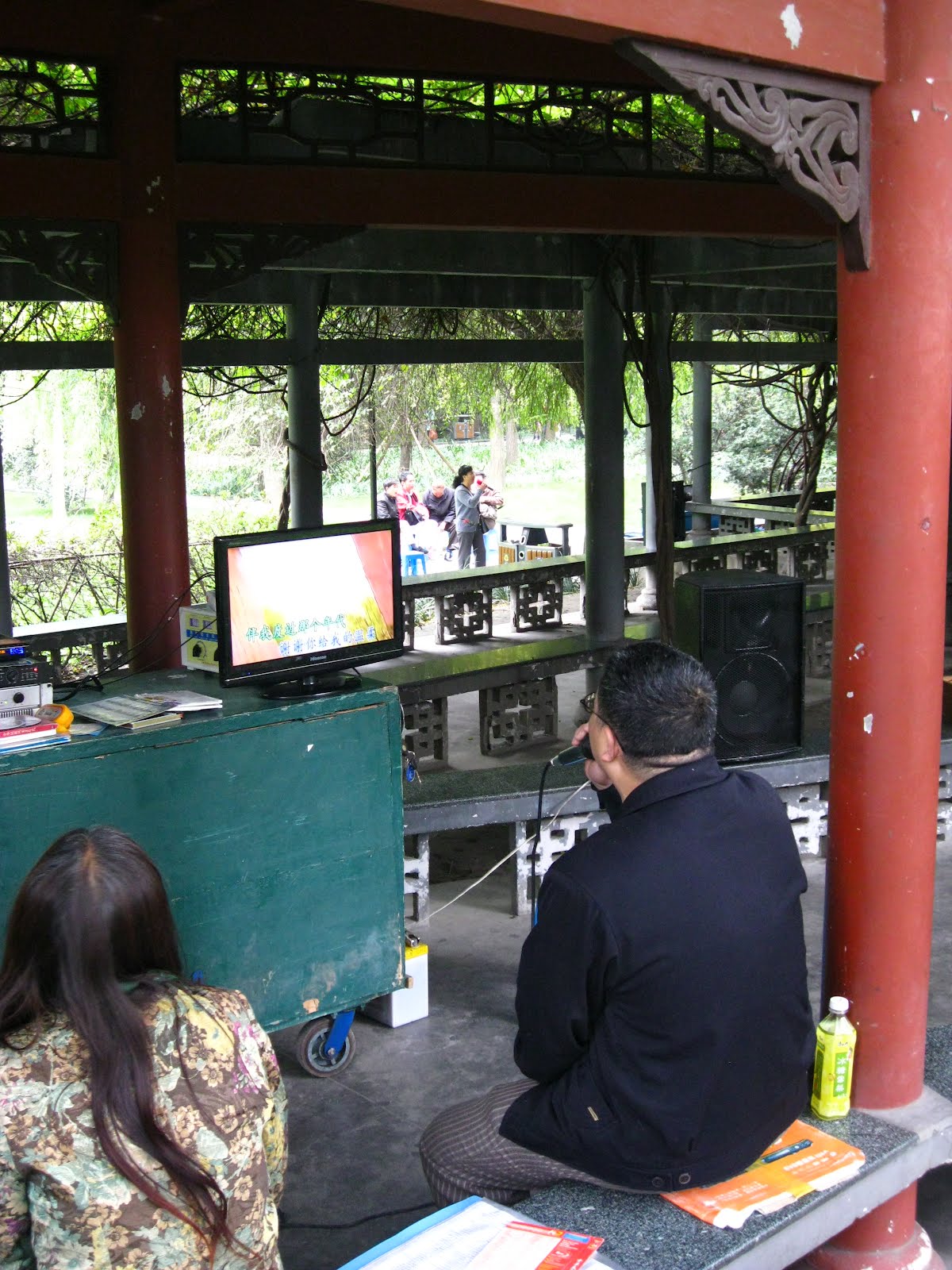
Within moments of entering the park, I hear it, the aural manifestation of how I feel: an outpouring of such hopeless sorrow it takes my breath away. As I get closer to the source of the desperate lamenting, it becomes clear that these are not in fact tortured souls but Chinese pensioners performing karaoke. They are singing and smiling, delighted that their uniformly terrible voices are being amplified for the entire park to hear. The benches around them are filled with song sheets and DVDs waiting to be fed into laptops that in turn feed into televisions and huge speakers. These karaoke stations are in close proximity to each other, with both the music and the vocals fighting a tuneless battle. It makes me grin at first, this is humanity after all, but nausea, originating in my ears, soon sweeps through me. I move on.
I head out into a wide-open space where two groups of around 20 people are dancing in unison. The youngest dancers are in their thirties, the oldest well into their nineties. It appears that to join, all you have to do is time your entry with the beat and you’re off, waving arms and pirouetting around the park. The masks of concentration the dancers wear are not so rigid as to hide the smiles that lurk beneath. Once again, I move on.
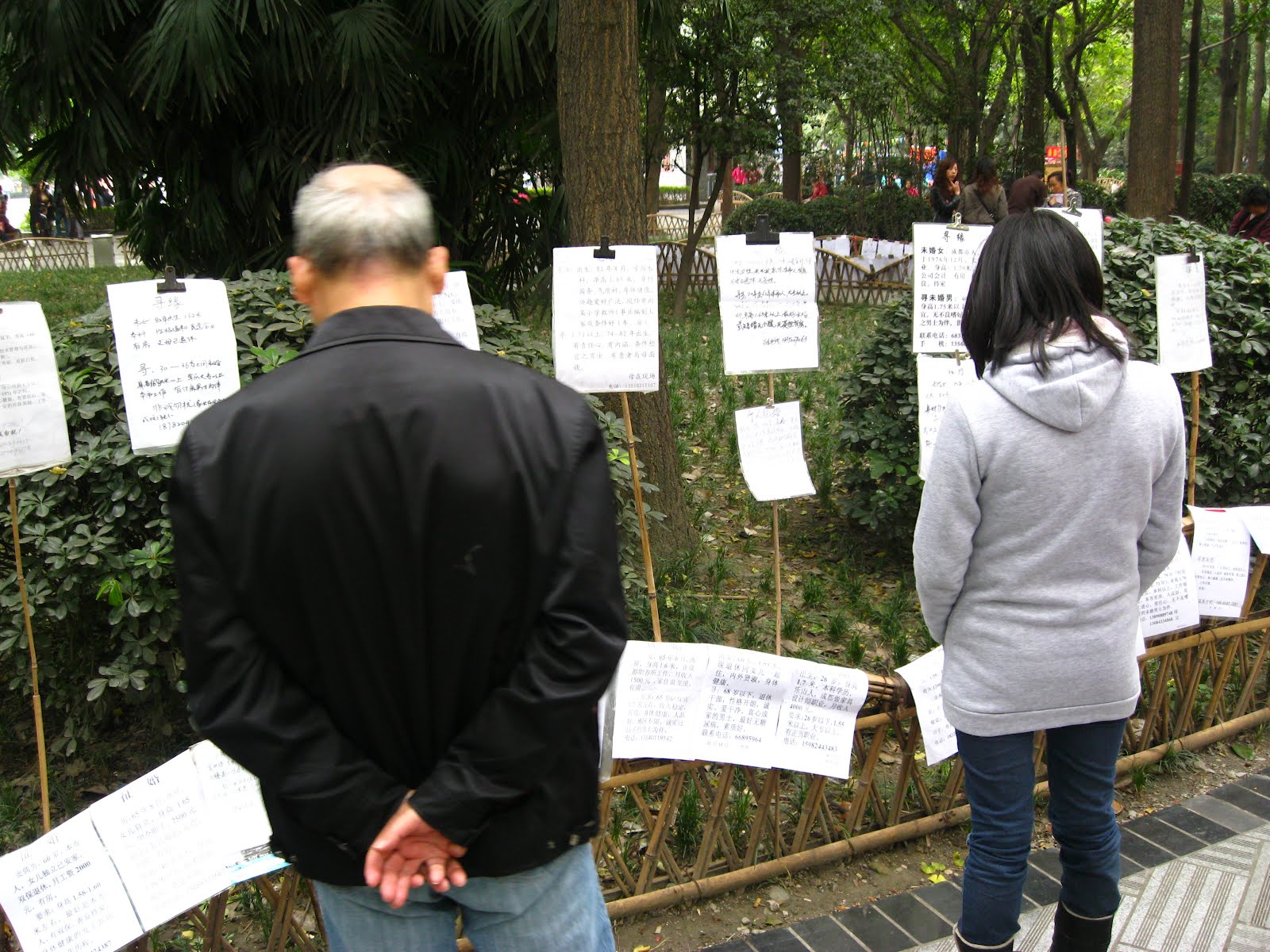
In the middle of the park now, I find myself surrounded by a series of winding paths de-marked by railings. Each railing is adorned with several pieces of A4 paper filled with a baffling combination of Chinese characters and the occasional number: 30; 35; 165. I ask a student in a bright yellow jacket what these pieces of paper are. She tells me that they are the equivalent of lonely heart advertisements, women looking for men of certain ages and heights for marriage, or more often, the women’s concerned mothers. There are hundreds of these requests, each one costing a considerable amount of money and perhaps a little dignity. I move on.
The park is full of flowers, providing colourful backdrops to the beaming faces of toddlers, who throw their arms wide with the joy of nothing in particular and everything at once. These kaleidoscopic full stops punctuate the tree-lined sentences that I move down.
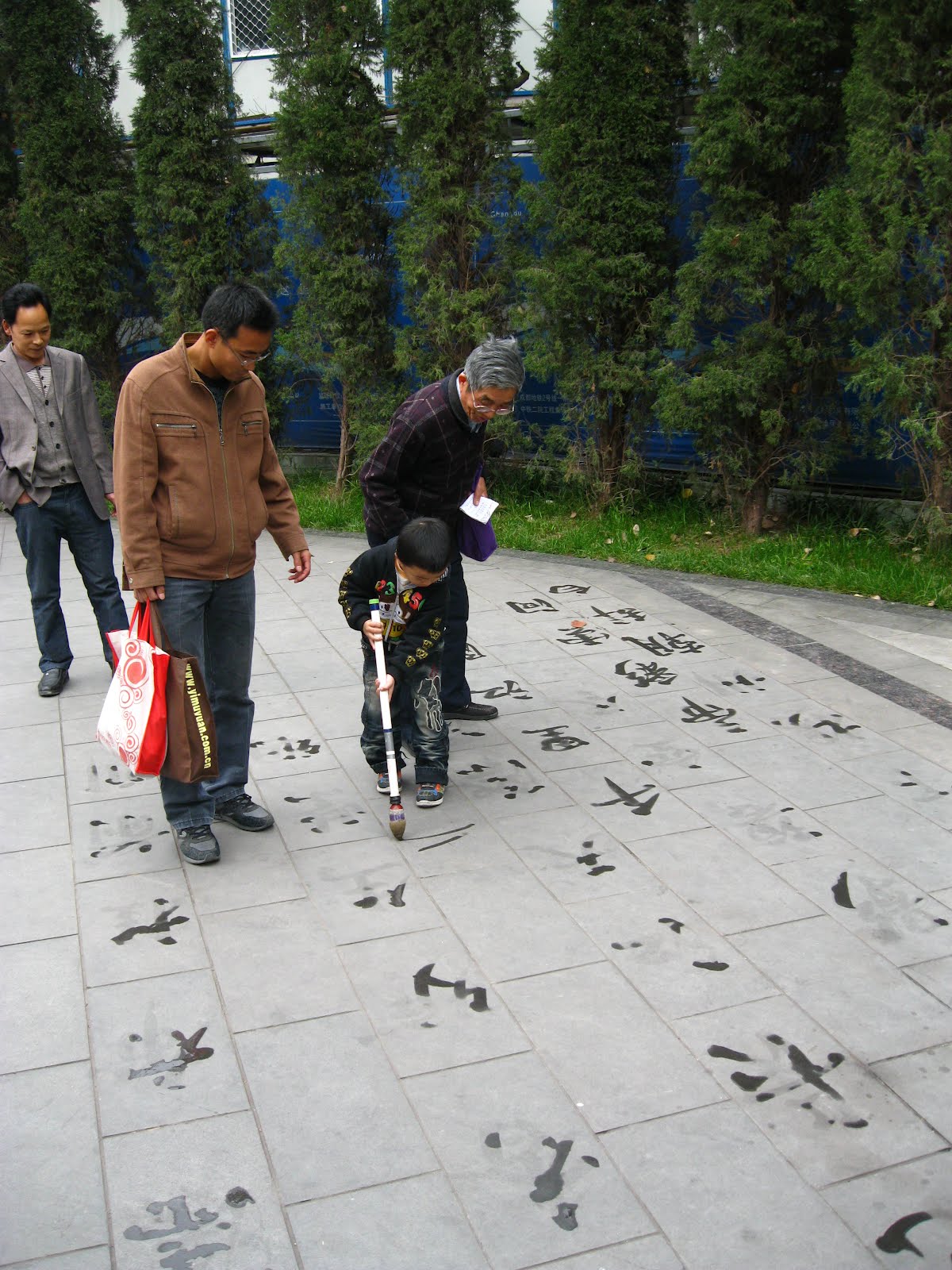
Behind the Monument of the Martyrs of the Railway Protection Movement, I see a man hunched on what looks like a giant matchstick. In front of him, painted on the ground, are a hundred carefully-formed Chinese characters. Some of the characters furthest from him have started to disappear, fading into the ground. It is then that I realise that the matchstick is a giant paintbrush, the head a sponge which allows you to draw characters with water. The impermanence does not bother this old man. He writes another word: ‘Ice-land,’ the student tells me. He then helps his grandson to write a word. She doesn’t offer a translation. ‘Hope,’ I guess. Or ‘Ben Ten’. It doesn’t matter, it will soon be gone. I move on.
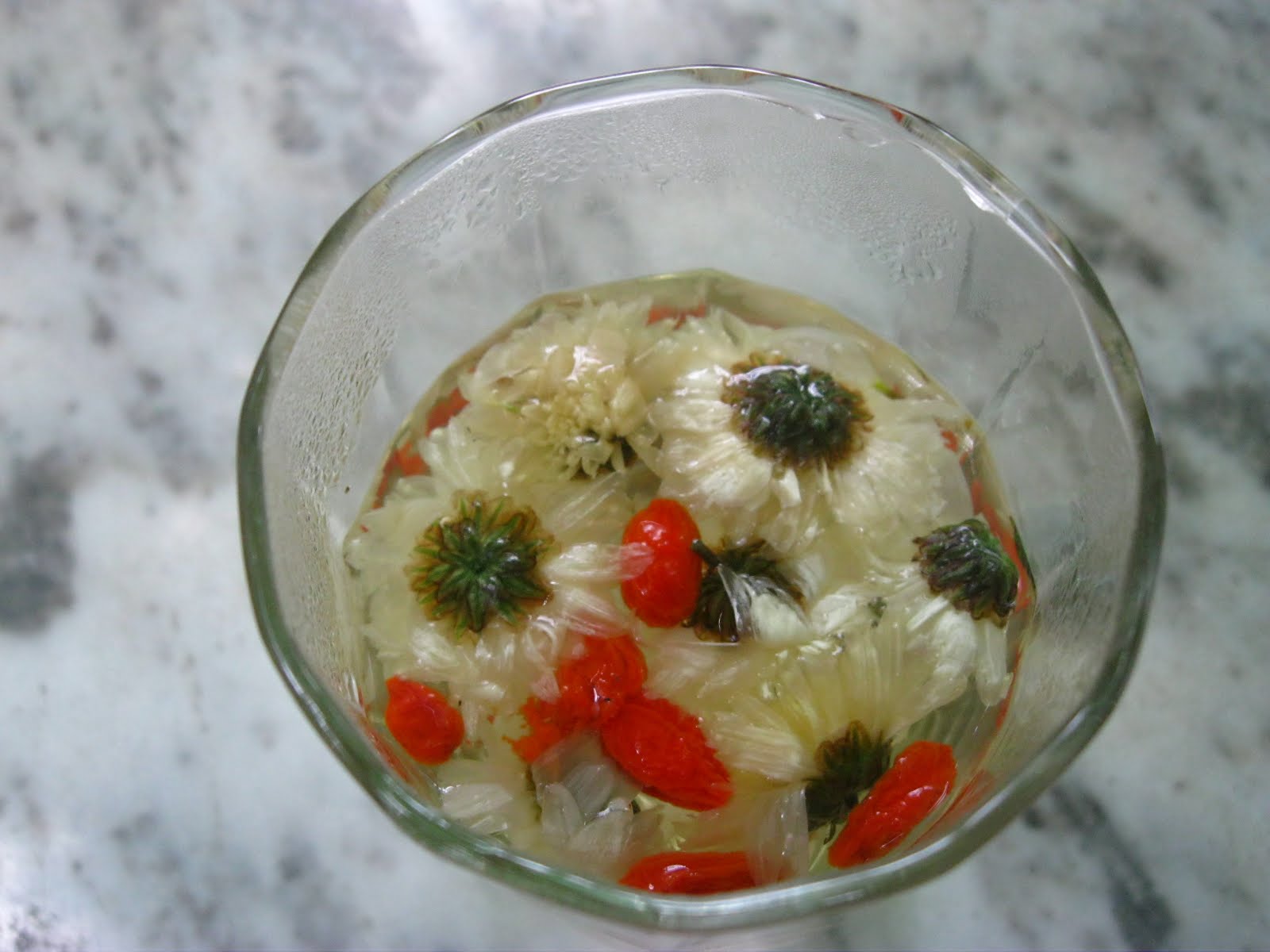
There are tea houses, crowded with friends playing cards and screeching in high-pitched delight over cups of gently steaming chrysanthemum tea. I drink mine and move on.
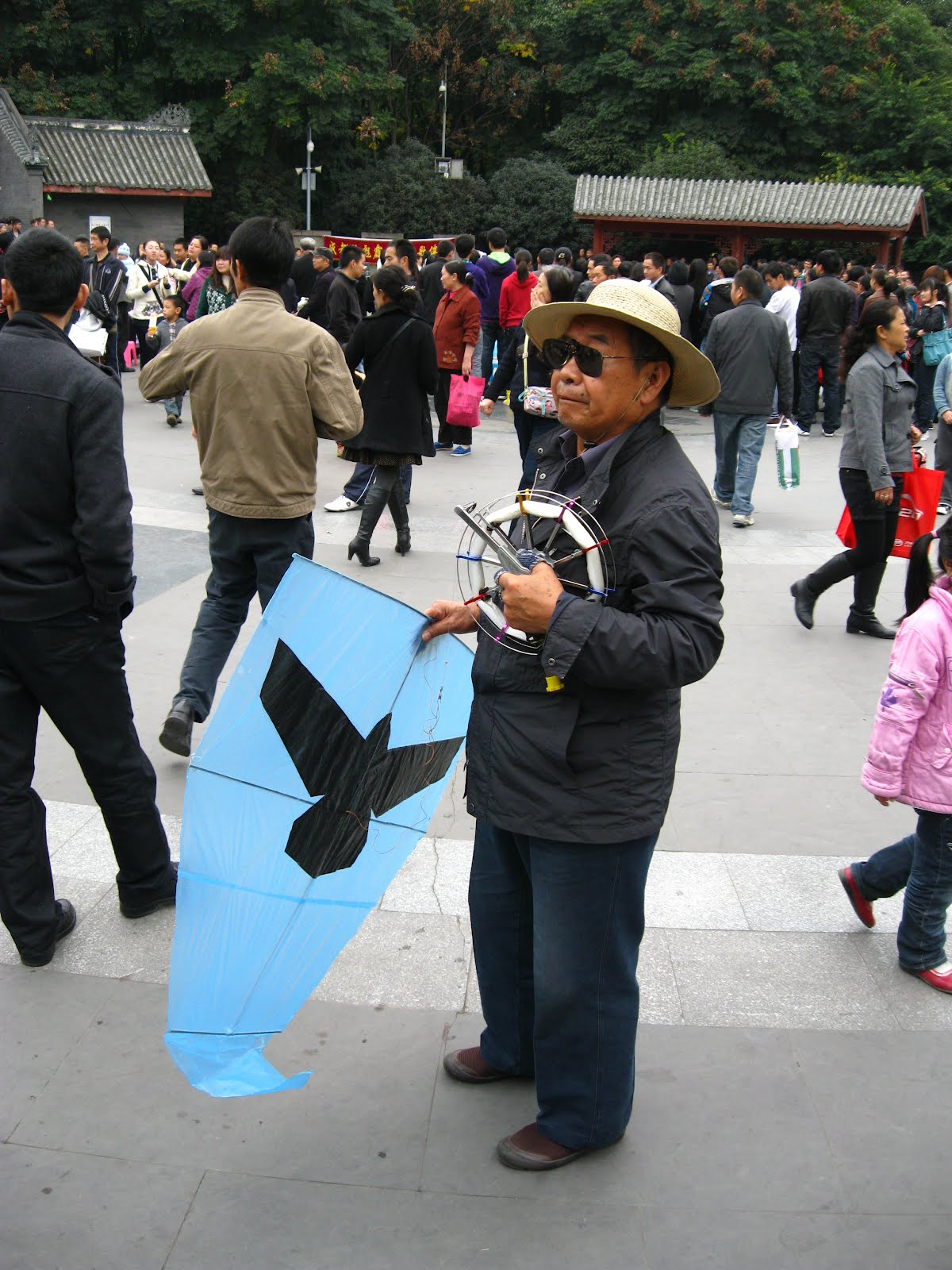
There are older men flying kites. Childish, I think. Then my eyes follow the line from a set of walnut fists off into the sky. This man’s kite is flying nearly a kilometre away, a barely visible dot of colour in the clouds. Childish no longer, this is the domain of the aged, the wise, the patient, those that can see beauty bloom in slow measured tugs on a kite string. I move on.
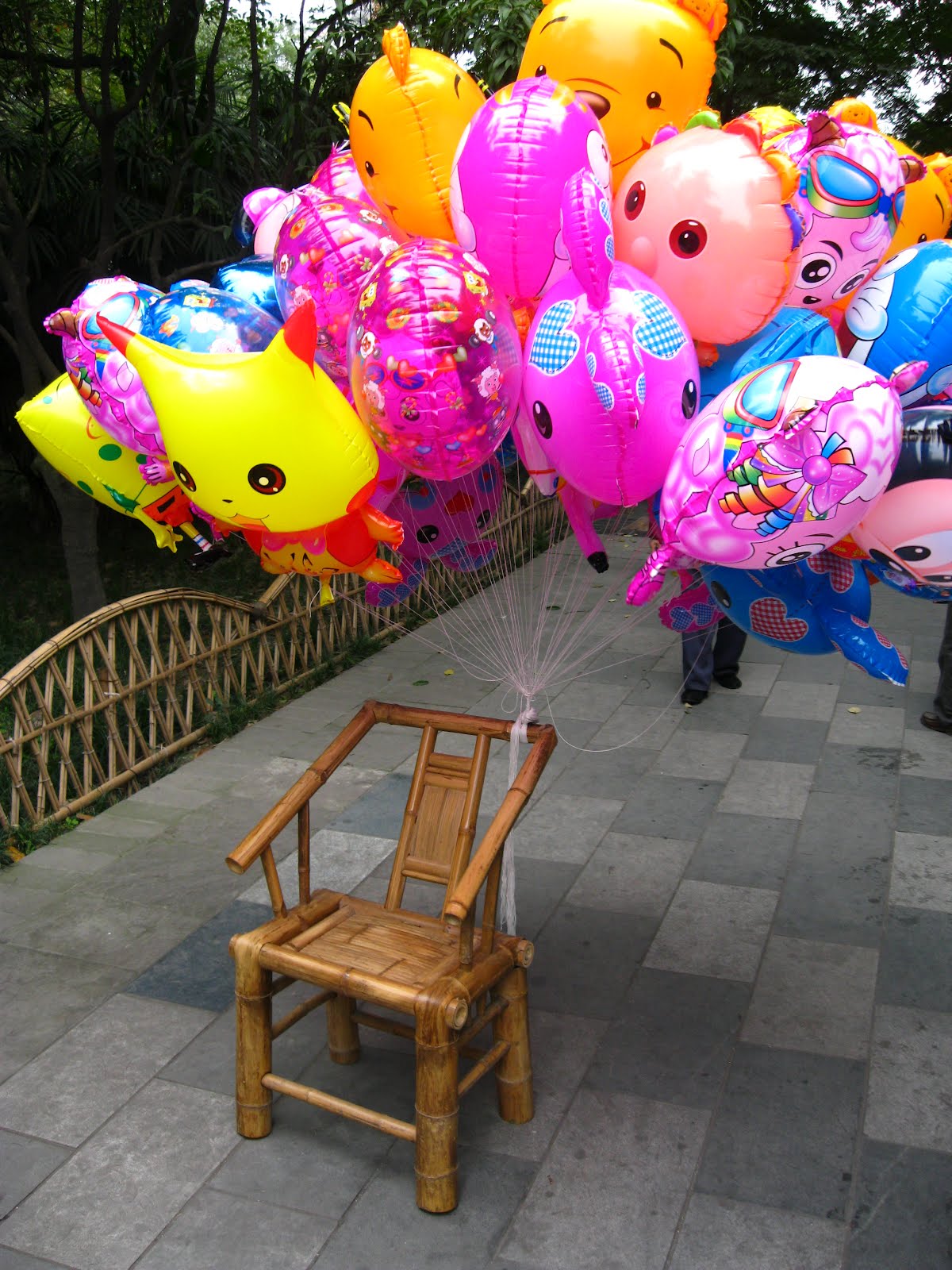
I walk some more. Children race with their favourite cartoon characters that float alongside them in heliumed glory; young lovers play-wrestle on boats on a lake; cameras with giant lenses photograph tiny buds; old men play Chinese chess, circled by older men, watching, whispering. I move on and eventually out of the People’s Park, leaving behind an oasis of smiles, laughter, joy and community. I have found ChengDu’s beating heart, a grin on the face of humanity, and on mine too.